
Bhotekoshi flood 2026: issue, impact, and a research workflow
A Langtang Himal glacier and ice-rock collapse on 26 August 2026 drove a flash flood down the Bhotekoshi and Trishuli. This research note records the issue, the impact numbers available through 30 August, and how teams brief the event with AshnaAI research tools—without treating the product as a relief agency.
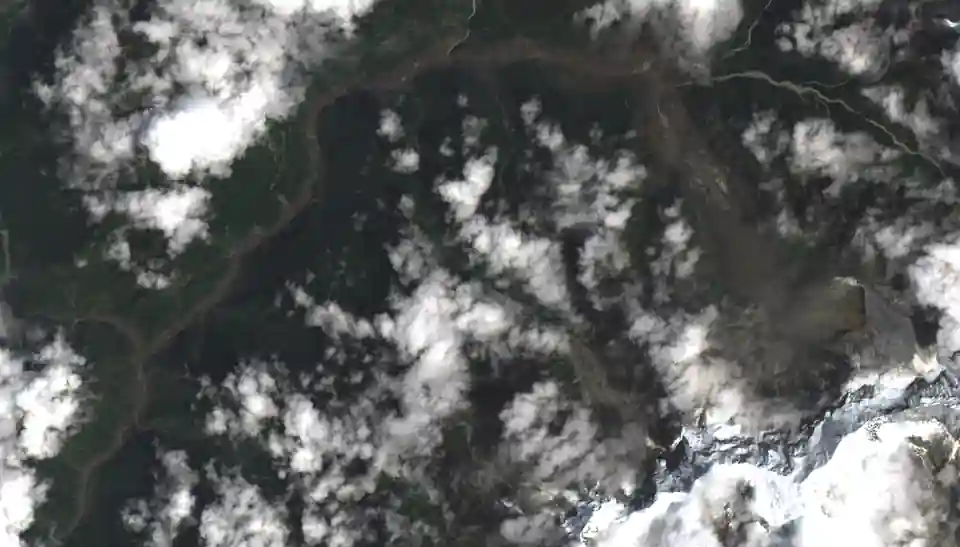
Method: Desk research from AP rescue reporting (29–30 August 2026), Reuters glacier analysis (26 August), and The Kathmandu Post reconstruction note (30 August). No field visit. Counts are attributed snapshots. Hero image: Landsat 9 / USGS scene of the 26 August 2026 flood corridor, via Wikimedia Commons.
Key findings
- Cause, as currently reported: glacier/ice-rock collapse in the Langtang Himal at the head of the Lhende/Lende–Bhotekoshi system. USGS recategorized the seismic signal as landslide energy, not a tectonic earthquake.
- Human impact snapshot (AP, late 29–30 August): 675 dead and 2,498 missing in Nepal; combined Nepal–Tibet 691 dead and more than 3,000 missing; more than 3,700 rescued in Nepal.
- Physical impact snapshot: thousands of houses, hydropower (including Upper Trishuli-1 tunnel rescue), Gyirong crossing, and a $4–5 billion preliminary rebuild range from Nepal’s finance minister.
Issue: a collapse, then a corridor flood
The event people are searching as “Nepal flood 2026” is the 26 August flash flood on the Bhotekoshi–Trishuli system. Reuters reported the same day that experts reading Planet Labs imagery said a substantial portion of a glacier snout collapsed and initiated the flood. Nepali officials had pointed to an earthquake; the USGS later said the reported tremor was energy from collapsing glacial rock and ice plus debris flow.
Downstream geography matters. The Lhende/Lende Khola meets the Bhote Koshi near the Rasuwagadhi / Gyirong corridor. Once the flow is in the Trishuli, it is a long, steep Himalayan valley—houses, roads, bridges, and hydropower works sit in the same slot the flood used. A short-lived blockage that then failed is still discussed; a long-lived dam-and-breach sequence is not the consensus of the early satellite notes.
Impact: people, sites, money
AP (reporting through 29–30 August) is the rescue snapshot used here. Nepal’s disaster agency: 675 dead, 2,498 missing, more than 3,700 rescued. China: 16 dead and 546 missing on the Tibet side. Combined: 691 dead and more than 3,000 missing. AP also reported that hundreds of the missing are foreigners, and that the U.S. State Department had about 100 Americans unaccounted for without confirmed American deaths at that hour.
Site-level impact in the same AP piece includes the Upper Trishuli-1 hydropower construction tunnel (more than 100 people believed trapped in thick mud) and the damaged Gyirong border crossing. The Kathmandu Post on 30 August said the government’s immediate priority remains search, rescue, and relief, with a post-disaster needs assessment still being prepared. Preliminary figures in that report: about 15,000 houses completely damaged, several hydropower facilities affected, and Finance Minister Swarnim Wagle’s $4–5 billion reconstruction range. Those rupee and dollar figures will move when the PDNA closes.
How to keep a briefing honest
A useful research note separates three layers. Layer one is the physical trigger (collapse, debris flow, corridor). Layer two is the human count (dead, missing, rescued—dated). Layer three is the reconstruction bill (houses, megawatts, bridges, dollars—labeled preliminary). Mixing them into one unsourced paragraph is how rumor pages get written.
This note does not claim a final death toll, a closed climate attribution, or an AshnaAI field presence. Climate researchers have said warming and high pre-event ground temperatures likely mattered. That belongs in a “scientists said” clause until a formal inquiry publishes.
AshnaAI research workflow for this event
Teams who need a working brief—not a press release—use three shipped jobs. First, collect open PDFs and sitreps, then chat with a PDF so questions stay grounded in the file. The mechanism behind that path is grounding agents in user files.
Second, when the output is a slide pack for a leadership or donor meeting, run the agentic presentation pipeline documented in From research to deck and the how-to How to generate a PowerPoint. Third, keep the news landing bookmarked: Nepal Bhotekoshi flood 2026. New accounts start at app.ashna.ai/signup.
Frequently asked questions
- What is the issue in the 2026 Nepal flood?
- A high-mountain glacier and ice-rock collapse on 26 August 2026 sent a debris-laden flash flood down the Bhotekoshi and Trishuli. Early earthquake explanations were recast as the seismic signature of the collapse itself.
- What is the impact so far?
- AP’s weekend snapshot: 675 dead and about 2,498 missing in Nepal, plus Tibet-side deaths and missing that push the combined toll above 690 dead and 3,000 missing. Houses, bridges, the Gyirong crossing, and hydropower sites including Upper Trishuli-1 were hit. Rebuild talk is in the $4–5 billion range and still preliminary.
- Is this an official government situation report?
- No. It is a sourced desk briefing. Official counts belong to Nepal’s disaster agency, Chinese authorities, and the forthcoming post-disaster needs assessment.
- How do teams brief this in AshnaAI?
- They attach PDFs or notes, chat with those files, and run the research-to-deck pipeline when a slide briefing is the output. AshnaAI does not replace search-and-rescue or a ministry.
- Where is the shorter news page?
- The news landing is https://www.ashna.ai/blogs/nepal-bhotekoshi-flood-2026
Related
Try this in AshnaAI. Create a free account.