The issue
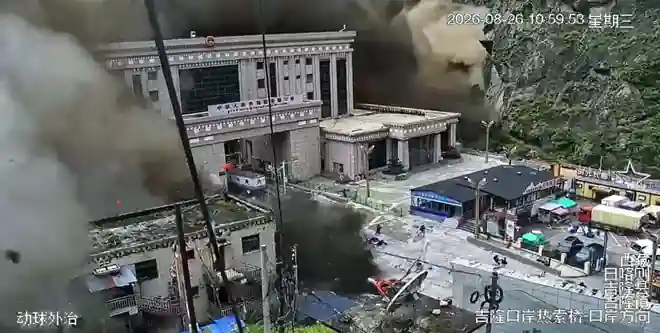
On 26 August 2026 a flash flood tore through the Bhotekoshi–Trishuli corridor on the Nepal–China border. Early local talk of an earthquake did not hold. Reuters, citing satellite imagery and experts, reported that a substantial portion of a glacier snout collapsed. The U.S. Geological Survey later said the reported tremor was seismic energy from collapsing glacial rock and ice, followed by debris flow.
The Conversation / HimalPress reconstruction describes an ice-and-rock avalanche entering the Lhende Khola, a Bhote Koshi tributary, with a possible short-lived blockage before a flood that travelled tens of kilometres downstream. Warm ground temperatures in the days before the collapse have been discussed as a contributing factor. That is expert commentary, not a closed forensic report.
The impact
AP reported that by the fourth day of rescue, Nepal’s disaster agency had 675 dead and 2,498 missing, with more than 3,700 rescued in Nepal. China’s update the same weekend put 16 dead and 546 missing on the Tibet side. Combined, AP wrote, the toll reached 691 dead and more than 3,000 missing. Hundreds of the missing are foreigners who were working, trekking, or on pilgrimage. The U.S. State Department said it was not aware of confirmed American deaths while about 100 U.S. citizens remained unaccounted for.
The Kathmandu Post (30 August) said a post-disaster needs assessment is still being prepared. Preliminary government figures in that report include about 15,000 houses completely damaged, several hydropower facilities hit, and a $4–5 billion reconstruction range from Finance Minister Swarnim Wagle. Earlier ministry notes listed roughly 19–25 bridges and tens of kilometres of the Trishuli corridor washed out. At Upper Trishuli-1, the army said rescue would continue where more than 100 people were believed trapped in a tunnel filled with thick mud.
What is still unknown
Death and missing counts will move. The full hydropower and highway bill is not closed. Whether a brief river blockage failed, versus meltwater and entrained sediment alone, is still being argued from satellite timing. This page does not invent a final number.
AshnaAI research briefing
The longer sourced note—and the path to turn situation reports into a briefing—is Bhotekoshi flood 2026: issue, impact, and a research workflow. People compiling a deck from open reports use How to generate a PowerPoint. People grounding a chat in a PDF sitrep use How to chat with a PDF.
Compiled from AP’s 29–30 August 2026 rescue reporting, Reuters’ 26 August glacier analysis, and The Kathmandu Post’s 30 August reconstruction note. Casualty figures are official snapshots and still moving. Hero image: CCTV still of the 26 August 2026 Gyirong Port mudslide, via Wikimedia Commons.
Topics
Related
Try this in AshnaAI. Create a free account.
Found this article insightful?
Share it with fellow builders, founders, and AI practitioners.